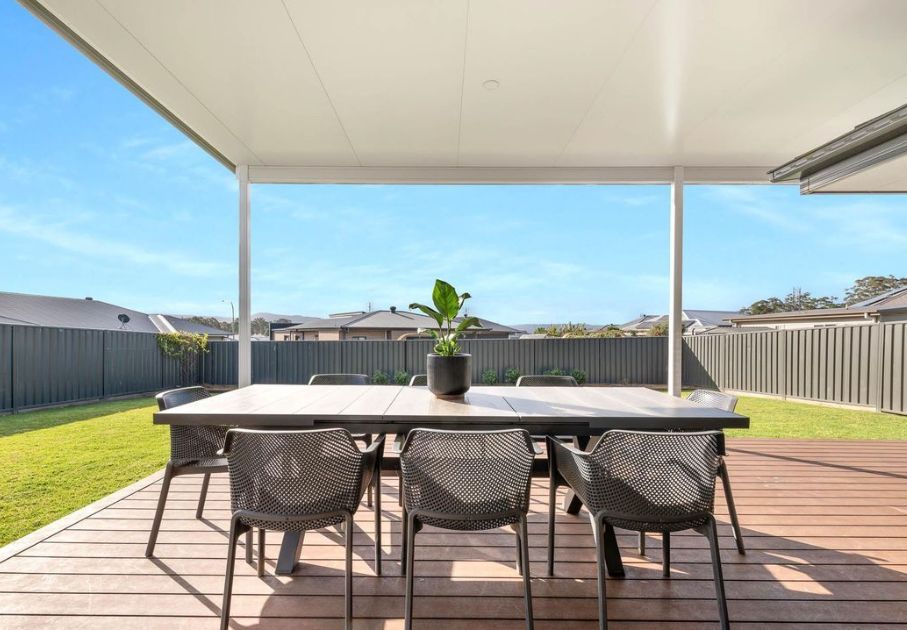
The best pergola design ideas start with how you actually live outdoors, not with a catalogue photo. At Leisure Coast Patios we're a family-owned business with over 25 years building across the Illawarra. We build flat, gable and opening louvre pergolas, along with decking and privacy screening, so we've seen what works on windy, sunny coastal blocks around Wollongong. This guide walks through practical pergola design ideas: where to put it, how to handle sun and wind, how to pair it with a deck, and how to make it work at night.
Key Takeaways
- A well-designed pergola can turn an exposed coastal backyard into an outdoor living area you use all year, not just on calm days.
- Placement, orientation, shade, screening, lighting and fans matter more than fancy add-ons in Illawarra conditions.
- Pairing a pergola with decking and privacy screening creates a complete outdoor room.
- Leisure Coast Patios provides design options and 3D visuals so you can see your pergola before it's built.
- We offer a free measure and quote on 02 4423 2723.
Designing the Right Pergola for Your Outdoor Space
The right pergola design matches how your family uses the backyard. Every Illawarra block is different. A design that works on a sheltered Figtree block might struggle on a windswept Stanwell Park hillside, so think about your lifestyle before you pick a roof shape.
Start by thinking in zones. Where do you eat, where do the kids play, and where does the barbecue go? A pergola can define one main area, whether that's dining, lounging or entertaining, without crowding the garden.
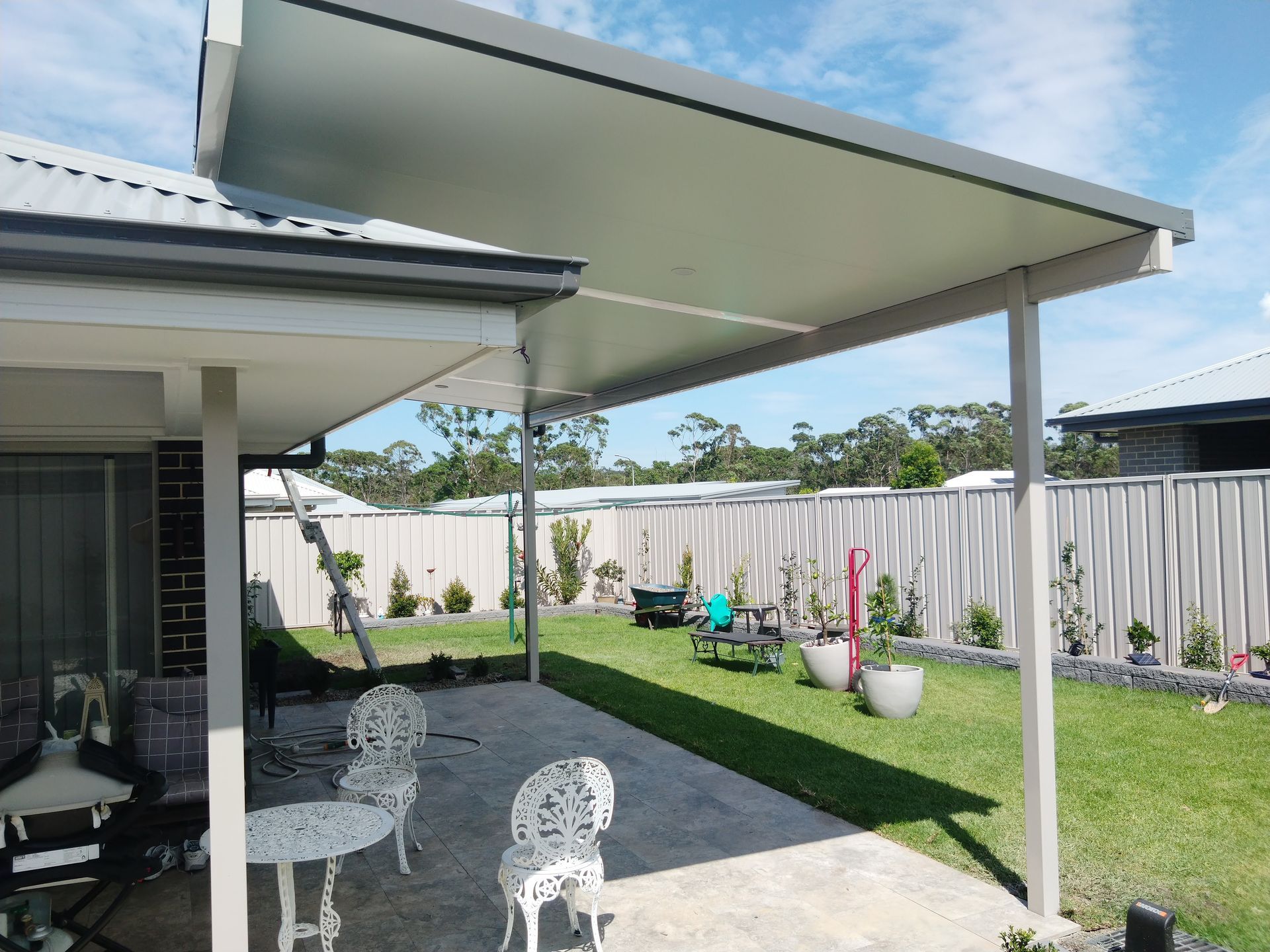
- Attached pergola: built off your main living area for easy indoor-outdoor flow and shelter right at the back door.
- Freestanding pergola: a separate retreat by the pool, a firepit or at the back of a deep block.
Roof shape changes the feel of the space too:
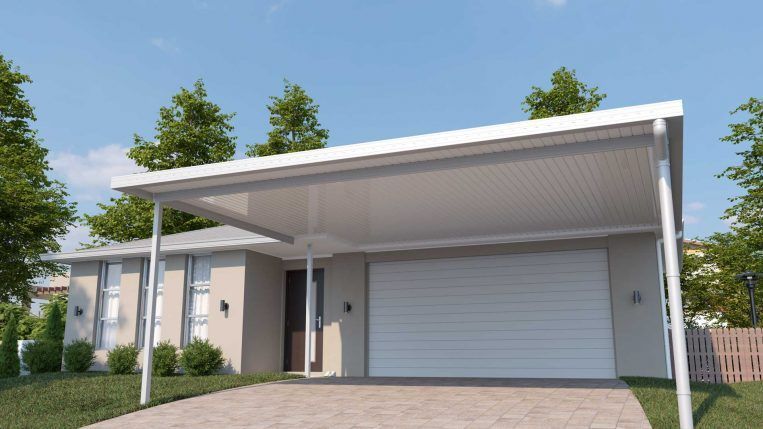
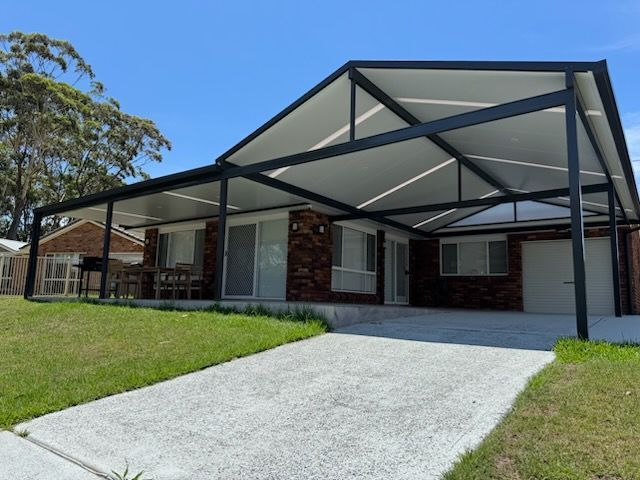
- Flat roof: clean, modern lines that suit contemporary homes.
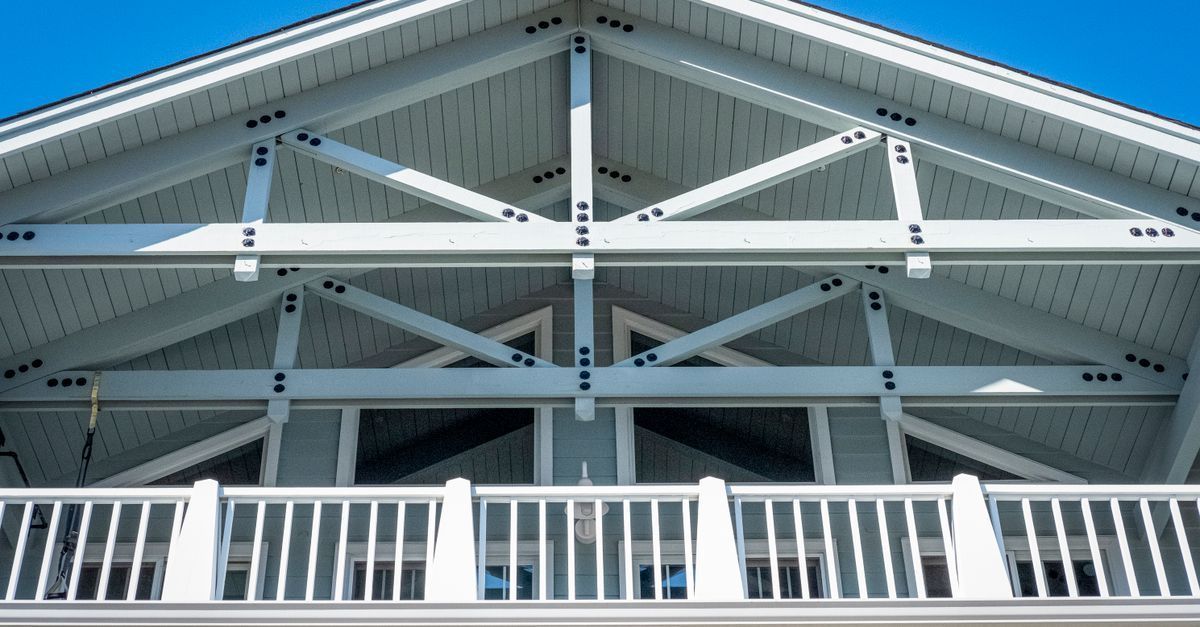
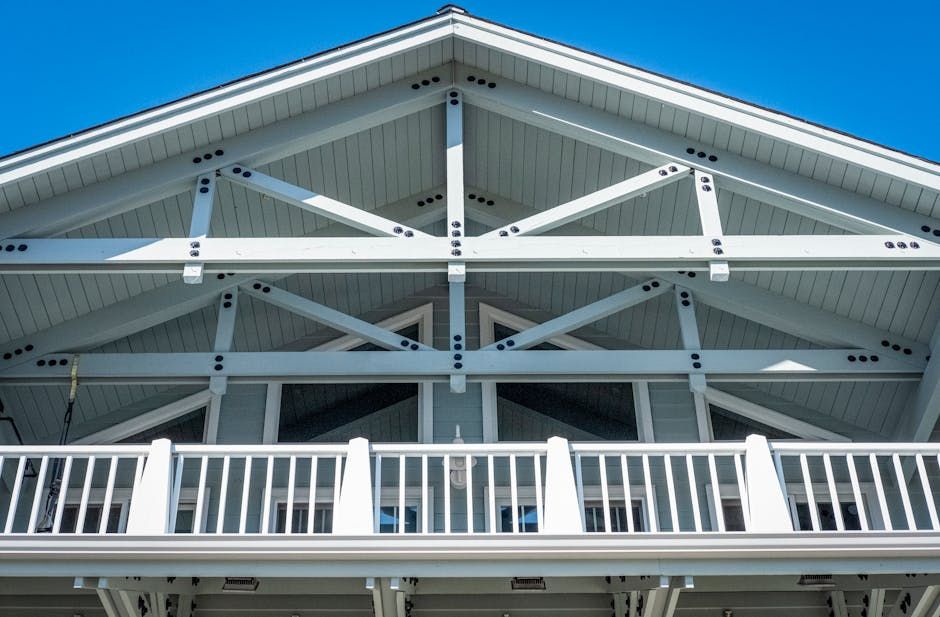
- Gable roof: a pitched, airy ceiling that suits traditional and heritage homes.
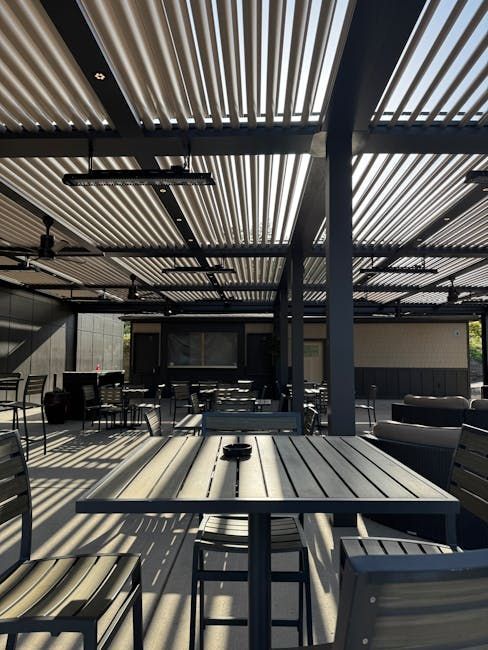
- Opening louvre roof: rotating blades that let you control light and airflow through the day.
Leisure Coast Patios can show you design options and 3D visuals, so you see how different layouts and shapes sit in your yard before you commit.
Placement, Orientation and Shade: Getting the Sun Right
Orientation is one of the most important pergola design decisions on any coastal block. On summer afternoons the western sun can bake an Illawarra backyard, while the low northern winter sun is something you'll want to keep.
Here's how we approach common backyard orientations:
- North-facing backyards: position the pergola to let in winter sun, and use louvres or screening to temper summer heat.
- West-facing yards: go deeper with the roof, and consider an opening louvre roof and side screening to block the late afternoon sun.
- East-facing spaces: morning sun is gentle, which makes these ideal for a breakfast spot with lighter shading.
An opening louvre roof is one of the most flexible pergola ideas for our climate. You can angle the blades for shade, open them to catch the sea breeze, or close them when a storm rolls in.
A simple tip: on a hot summer afternoon, walk your backyard in the late afternoon and note where shade is needed and where glare bounces off neighbouring roofs. That tells you more than any plan on paper.
Creating Comfortable, Usable Outdoor Living Zones
The most useful pergola designs treat the space as an outdoor room, with the floor, walls, ceiling, lighting and furniture all working together. An opening louvre roof gives you the most control, but even a solid flat or gable roof can create a comfortable room if it's well planned.
A few layout ideas we use in Wollongong backyards:
- Dining pergola: allow enough room to walk around the table with the chairs pulled out, put a fan and light directly above the table, and place the barbecue so smoke doesn't blow into the house when the nor'easter picks up.
- Lounge pergola: use softer lighting, leave space for an outdoor sofa, and angle the seating towards a view of the escarpment, garden or pool rather than the fence.
- Family pergola: use durable decking underfoot, keep sightlines open from the kitchen to the pool or lawn, and use screening instead of solid walls.
Getting the height right matters too. A pergola needs enough clearance for ceiling fans without looking out of proportion on a single-storey home.
Pairing Your Pergola with Decking and Privacy Screening
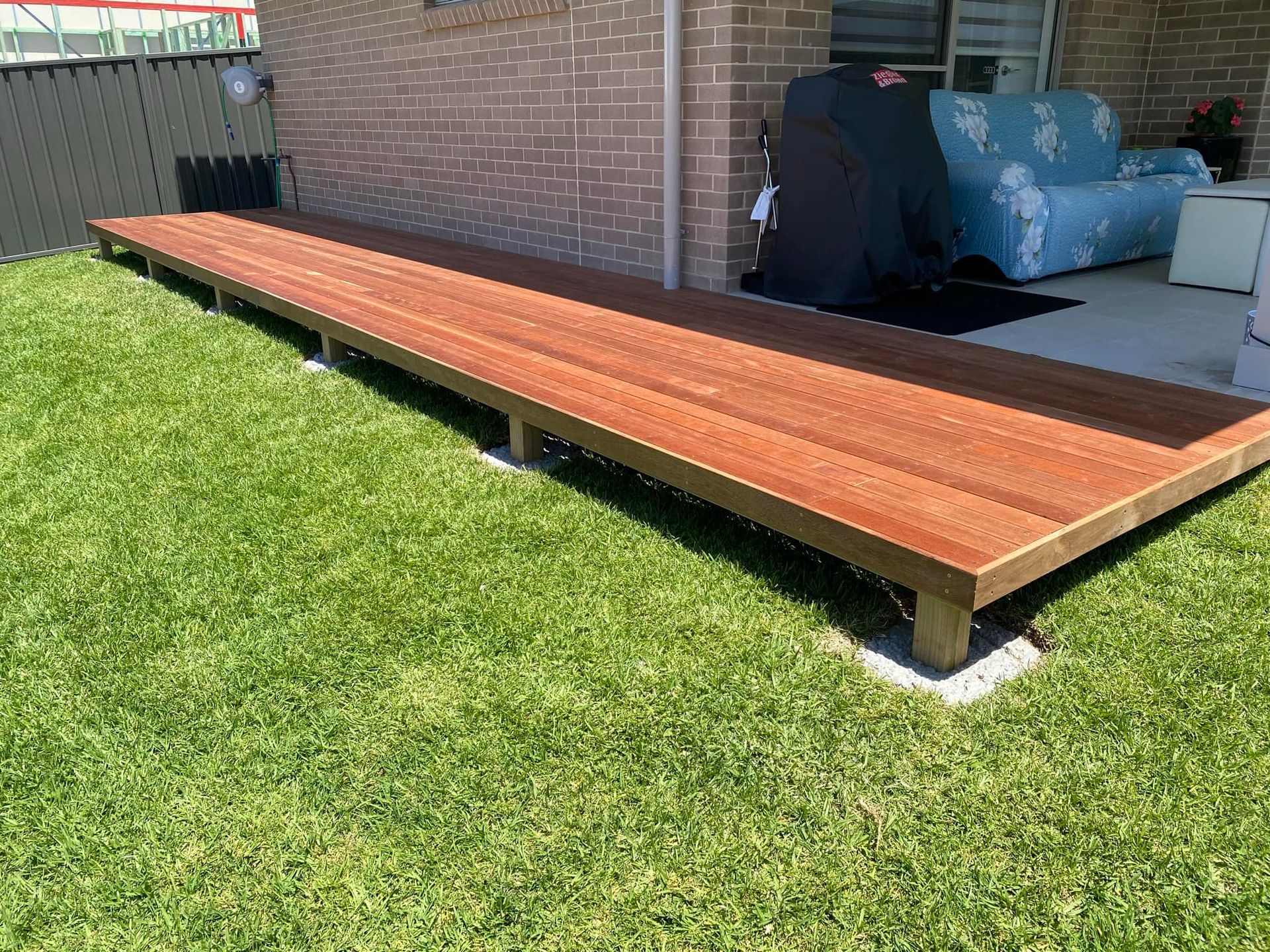
The surface under a pergola matters as much as the roof, especially near the coast, where lawns get boggy in winter. A level deck that lines up with your indoor floor makes the pergola feel like part of the house and makes access easier for kids, prams and older relatives.
Design ideas worth considering:
- A deck wrapped around a freestanding pergola beside the pool, with the posts defining the edges
- Composite or treated timber decking underneath, with slip-resistant options around pools
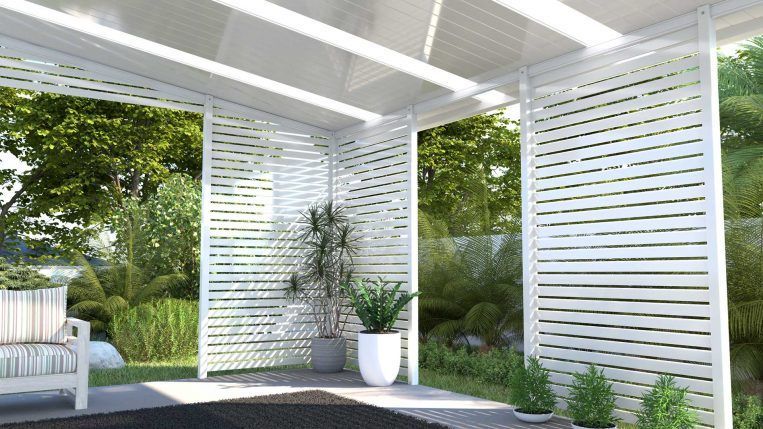
- Privacy screening on one or two sides to filter wind, soften harsh sun and block neighbours' views while still letting breezes through
Leisure Coast Patios builds the pergola, decking and screening together, so levels, post positions and finishes are coordinated from the start. For a real example, see how Janine's Bulli deck and pergola came together.
Lighting, Fans and All-Weather Comfort
Good lighting and airflow turn a basic pergola into an outdoor room that works on hot January nights and cool August mornings.
- Lighting: warm white downlights for general light, strip lighting to highlight beams, and low-level step or deck lighting for safety and atmosphere.
- Ceiling fans: place them over the seating or dining area for summer comfort. They also help keep the mozzies away.
- Power: plan outdoor power points for the barbecue, fridge and heaters, so you're not running extension leads everywhere.
- Winter comfort: screening on the windward side and a patio heater keep the space usable in the cooler months.
Near the coast, keep fittings simple, weather-suited and easy to maintain. Plan your electrical layout early, and have all wiring done by a licensed electrician.
Coastal Considerations and Local Know-How
Coastal pergolas in suburbs like Shellharbour, Austinmer and Corrimal need to handle salt air, gusty southerlies, summer nor'easters and heavy rain. Even a few streets back from the beach, salt carried on the wind can cause corrosion if materials aren't chosen carefully.
Our coastal design checklist:
- Use marine-grade materials and finishes built for salt air
- Engineer the structure for local wind conditions
- Put screening or solid ends on the windward side, and leave the opposite side open to catch breezes
- Plan easy gutter access and sensible downpipe positions
- Choose finishes that are easy to hose down and keep clean
With over 25 years in the Illawarra, Leisure Coast Patios brings local knowledge to every pergola design rather than a one-size-fits-all approach.
Working with Leisure Coast Patios on Your Pergola Design
Working with Leisure Coast Patios is simple. We visit your place, listen to how you want to use your outdoor area, and develop a practical design with 3D visuals so you can see it before we build.
- Flat, gable and opening louvre pergolas
- Decking and privacy screening designed alongside the pergola
- Lighting and fan layouts planned from the start
- Council approvals handled for you
- A free measure and quote with clear, line-by-line pricing
If the budget is tight, we can stage the work: build the pergola now and add screens or lighting later. See our pergolas in Wollongong for more on what we build, or read how Tony's Mount Keira louvre pergola and Sarah's Figtree pergola turned out.
Give us a call on 02 4423 2723 to book your free on-site consultation. You'll get honest advice with no pressure.
FAQs
How big should my pergola be for everyday family use?
Plan around the furniture you actually use. A dining pergola needs room for your table plus space to walk around it without chairs bumping into posts. A lounge pergola might prioritise a corner sofa and coffee table instead. Measuring your existing outdoor furniture is a good starting point.
Is a freestanding pergola or attached pergola better near the coast?
An attached pergola suits homes where you want easy access from the main living area. A freestanding pergola suits a garden retreat near the pool or at the back of a deep block. Wind exposure and your existing roof height often decide which makes more sense for your site.
Can I add an opening louvre roof to an existing pergola?
Often, yes, provided the posts, beams and footings are sound and suit the new roof. Sometimes it's more sensible to reinforce or rebuild first. We'll inspect the existing structure and tell you what's realistic before you decide.
What's the best way to stop neighbours looking into my pergola?
Privacy screening with horizontal or vertical slats, placed to block specific sightlines from neighbouring windows, is usually the most effective option. Positioned well, screens give you privacy while still letting through light and breeze.
Do I need council approval for a pergola in the Illawarra?
It depends on the pergola's size, height, position on the block and local planning rules, and many projects do need approval. Leisure Coast Patios handles council approvals for our customers as part of the process. Call us on 02 4423 2723 and we'll advise on what your project needs.
Find us